
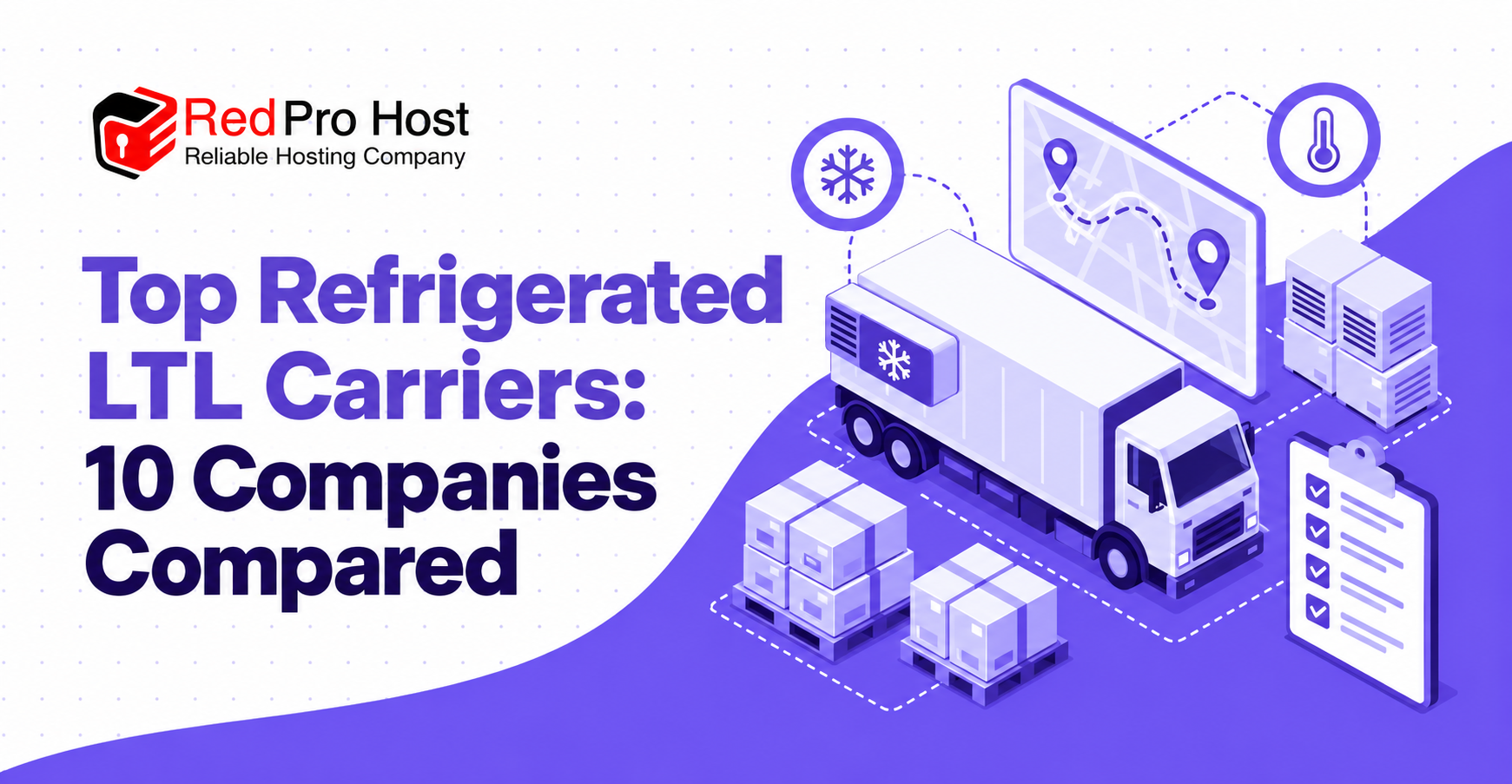
Shipping a few pallets of frozen food shouldn’t require paying for an entire truck. Yet finding reliable refrigerated carriers for smaller shipments isn’t always easy. Some companies only handle full loads, while others have limited routes or temperature options.
Choosing the wrong carrier can lead to delays, spoiled products, and unexpected shipping costs. That’s why comparing top refrigerated LTL carriers is important before making a decision. These companies transport smaller loads in shared refrigerated trucks while maintaining the required shipping conditions.
This article compares 10 companies to help you find the right shipping partner. You’ll learn about their services, coverage areas, and important differences. We’ll also explain shipping costs and what to check before booking your freight.
What Is Refrigerated LTL Shipping?
Refrigerated LTL shipping transports smaller, temperature-sensitive freight in a shared, temperature-controlled truck. LTL stands for Less Than Truckload, meaning one shipment doesn’t occupy the entire trailer. Businesses use this service to transport products such as frozen seafood, dairy, meat, and fresh produce.
For example, a distributor shipping 3 pallets of frozen seafood may not need a dedicated truck. A refrigerated LTL carrier can combine that shipment with compatible freight traveling along a similar route. This arrangement can reduce transportation costs when shared shipping is more economical than booking an entire trailer.
Refrigerated trailers use cooling equipment to maintain suitable air temperatures during transportation. Carriers may also use cold storage facilities and refrigerated transfer docks to consolidate freight. However, shipment availability depends on the route, required temperature, and accepted product type.
The main benefit is access to refrigerated transportation without booking a full truckload. The tradeoff is that shared shipments may involve additional stops, transfers, or longer transit times. That’s why choosing an experienced refrigerated LTL provider matters.
Top 10 Refrigerated LTL Carriers in the USA
The top refrigerated LTL carrier options include Frozen Food Express, Kool Pak, Midwest Refrigerated Services, H&M Bay, and RLS Logistics. Other companies, such as C.H. Robinson and Great Western Transportation, arrange temperature-controlled LTL shipping through logistics networks. The following 10 companies offer different solutions for businesses moving smaller refrigerated shipments.
These providers aren’t ranked by customer satisfaction, price, or delivery performance. Their services differ by geographic coverage, equipment, temperature capabilities, and transportation model. Always confirm refrigerated LTL availability for your specific shipping lane before requesting a pickup.
1. Frozen Food Express (FFE)
Frozen Food Express (FFE) is an asset-based refrigerated LTL carrier serving the United States. The company specializes in temperature-controlled transportation for frozen and chilled freight. Its network includes refrigerated terminals, scheduled services, and equipment designed for handling perishable products.
According to FFE’s published service information, its frozen trailer setpoint is minus 10°F, while cooler service uses 33°F. Its temperature-controlled trailers also use monitoring technology to track operating conditions. These capabilities make FFE relevant for shippers needing defined refrigerated or frozen transportation services.
FFE is particularly suitable for businesses shipping frozen food, meat, dairy, and other compatible refrigerated products. Its scheduled LTL network may also help companies planning recurring distribution. However, pickup availability and transit schedules depend on the origin and destination.
Best for: Nationwide refrigerated LTL transportation with defined frozen and chilled service options.
Service model: Asset-based refrigerated LTL carrier.
2. Kool Pak
Kool Pak specializes in refrigerated and frozen LTL shipping across the western United States and Canada. Founded in 1968, the company provides temperature-controlled transportation, warehousing, distribution, and freight brokerage. Its services support products such as frozen food, chilled dairy, and other perishable freight.
Kool Pak uses dual-temperature trailers and temperature-controlled storage facilities to support its cold chain operations. Its published LTL origins include California, Oregon, Washington, Arizona, Utah, Idaho, Colorado, Texas, and British Columbia. The company serves major markets throughout the western United States and parts of Canada.
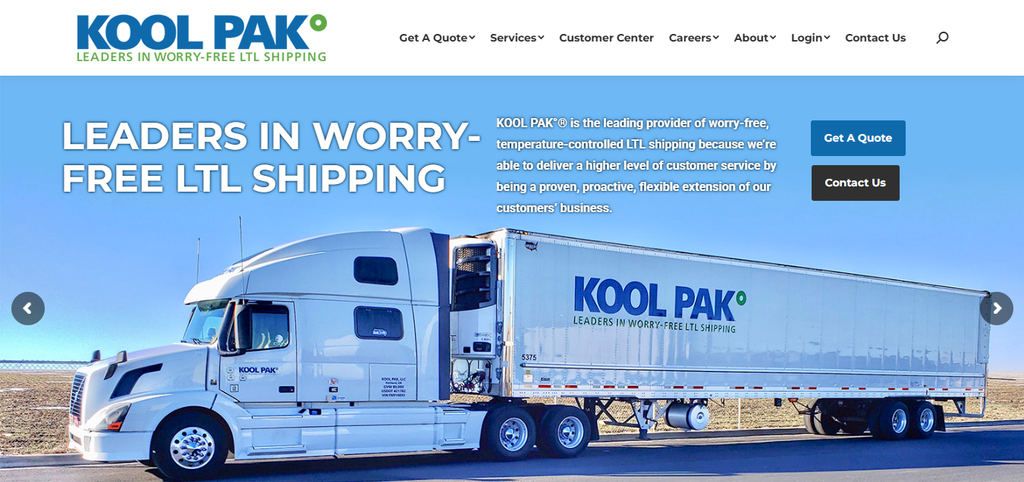
Kool Pak also offers tracking and refrigerated freight consolidation services. These capabilities can help businesses coordinate regular shipments between western distribution centers. However, service frequency and available delivery locations depend on the specific route.
Best for: Frozen and chilled LTL shipments throughout the western United States and Canada.
Service model: Refrigerated LTL carrier with warehousing and brokerage services.
3. Midwest Refrigerated Services
Midwest Refrigerated Services provides refrigerated LTL consolidation, transportation, and cold storage services. The Wisconsin-based company works with food manufacturers, distributors, and businesses shipping temperature-sensitive products. Its transportation program combines smaller freight orders into consolidated loads.
Midwest Refrigerated Services states that its consolidation program accepts orders starting at 1 pallet. The company also reports shipping more than 200 full loads weekly across the United States. Its published program includes distribution to ZIP codes throughout the continental United States.
The company uses a central cross-dock facility to organize and track palletized shipments. This can support businesses sending smaller orders to grocery distributors, foodservice operators, and retail locations. However, pickup arrangements and delivery schedules should be confirmed for each shipping lane.
Best for: Small pallet shipments, refrigerated food consolidation, and nationwide distribution.
Service model: Temperature-controlled logistics provider with refrigerated LTL consolidation.
4. H&M Bay
H&M Bay specializes in refrigerated LTL transportation, freight consolidation, and cold storage. The company has operated since 1982 and serves businesses throughout the United States. Its transportation network relies on independent trucking partners and temperature-controlled distribution facilities.
According to H&M Bay, its network handles approximately 7,000 shipments and 20 million pounds of freight each week. These company-reported figures illustrate its operating scale rather than independently verified delivery performance. Its services cover frozen and refrigerated products requiring organized distribution.
H&M Bay also offers shipment tracking through its customer portal and mobile technology. Its cold storage and cross-docking services can help businesses manage recurring shipments. However, shippers should confirm available routes, delivery schedules, and temperature requirements before booking.
Best for: Regular refrigerated LTL distribution supported by cold storage and freight consolidation.
Service model: Refrigerated LTL logistics provider using a nationwide independent carrier network.
5. Great Western Transportation
Great Western Transportation arranges refrigerated LTL and full truckload transportation across the United States. The company focuses on coordinating freight movement through transportation providers. Its services include refrigerated freight, dry shipping, and other trucking arrangements.
Great Western emphasizes understanding the temperature requirements of each shipment before arranging transportation. Its refrigerated freight guidance discusses pre-cooling, temperature exposure during unloading, and refrigerated cross-docking. These considerations matter when freight shares trailer space with other products.
The company can be an option for businesses comparing LTL and FTL transportation. However, it should be evaluated as a transportation intermediary rather than a dedicated nationwide refrigerated LTL fleet. Ask which operating carrier will move your freight and whether that carrier meets your requirements.
Best for: Businesses seeking refrigerated LTL quotes and flexible transportation arrangements.
Service model: Transportation brokerage and shipping coordination.
6. FST Logistics
FST Logistics provides refrigerated LTL transportation and freight consolidation services across much of the continental United States. Its transportation solutions support food distributors, agricultural businesses, and other temperature-sensitive shipping operations. The company also offers dry freight and full truckload transportation.
FST states that its refrigerated LTL service generally operates between 33°F and 39°F. This range makes its published service particularly relevant to compatible chilled products. Frozen freight requiring temperatures below 32°F needs separate confirmation.
FST also explains the difference between traditional LTL and freight consolidation. Traditional LTL may involve terminal transfers, while consolidated transportation can reduce repeated handling. Businesses should compare both options based on delivery schedules and product requirements.
Best for: Chilled freight and consolidated food distribution.
Service model: Logistics provider offering refrigerated LTL and consolidation services.
7. Commodity Forwarders Inc. (CFI)
Commodity Forwarders Inc. specializes in transporting perishable freight through domestic and international logistics networks. Founded in 1974, the company handles seafood, meat, produce, flowers, and other temperature-sensitive products. Its services include refrigerated ground transportation, air freight forwarding, and cold storage.
CFI operates through logistics locations such as Los Angeles, Chicago, Miami, Seattle, and New York. Its refrigerated ground transportation supports the movement of perishables between important transportation markets. This makes it relevant for businesses shipping products that require specialized cold chain handling.
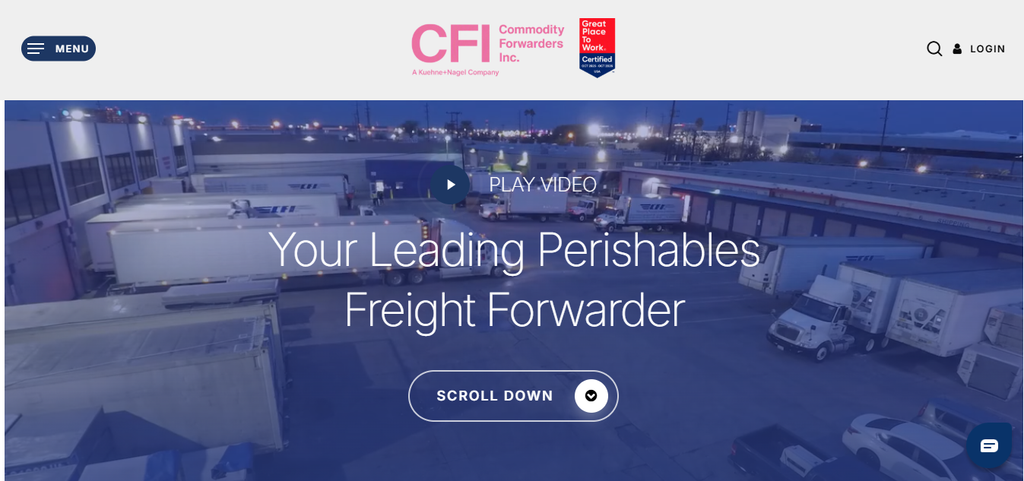
However, CFI primarily identifies itself as a perishables freight forwarder. Its public service information doesn’t establish a standard nationwide refrigerated LTL network comparable to FFE or Kool Pak. Businesses should confirm whether CFI can arrange their specific pallet shipment before treating it as an LTL option.
Best for: Specialized perishables transportation and shipments connected to domestic or international freight networks.
Service model: Perishable freight forwarder offering refrigerated ground transportation.
8. Bay and Bay Transportation
Bay and Bay Transportation provides asset-based refrigerated trucking and temperature-controlled logistics services. Founded in 1941, the company transports food products such as meat, dairy, frozen goods, and produce. Its refrigerated operations have a strong presence in the Midwest, Texas, and East Coast.
Bay and Bay uses 53-foot refrigerated trailers equipped with modern refrigeration systems. Its published technology includes shipment visibility tools such as MacroPoint and FourKites. These systems help provide transportation status information during freight movement.
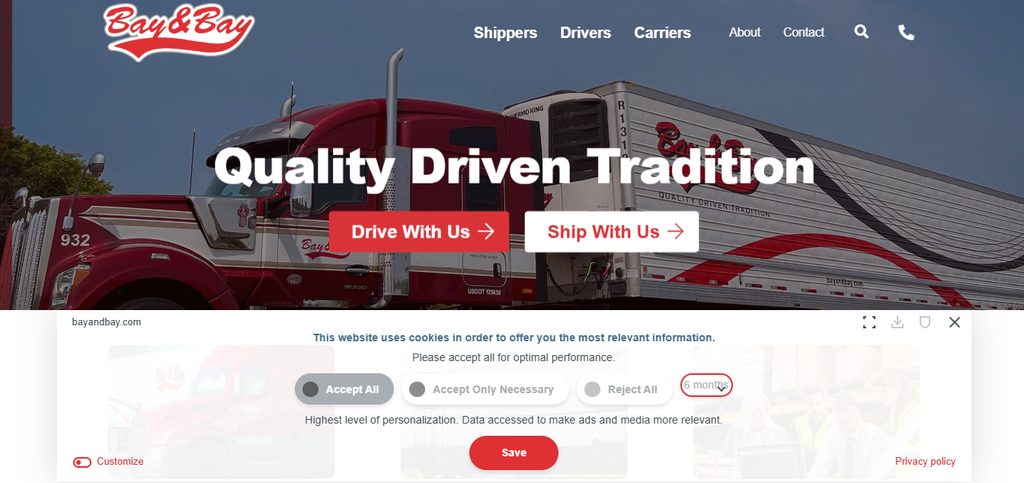
The company also operates a logistics division that can coordinate transportation beyond its own fleet. However, its refrigerated trucking page doesn’t clearly establish a standard refrigerated LTL service for every route. Shippers should confirm whether smaller shipments are accepted and whether transportation will be direct or brokered.
Best for: Refrigerated trucking and logistics arrangements requiring experienced cold chain handling.
Service model: Asset-based refrigerated carrier and logistics provider, with LTL suitability requiring confirmation.
9. C.H. Robinson
C.H. Robinson offers temperature-controlled LTL transportation through its logistics and carrier network. The company combines smaller refrigerated shipments and coordinates transportation between shippers and providers. Its services include freight consolidation, warehousing, and distribution.
C.H. Robinson specifically advertises temperature-controlled LTL solutions for smaller freight volumes. Its consolidation services help combine compatible freight moving toward similar destinations. Businesses can also access shipment management and logistics coordination services.
Unlike an asset-based refrigerated LTL carrier, C.H. Robinson primarily works through transportation partners. This approach may suit companies needing multiple shipping options or managed freight services. However, specific rates, operating carriers, and temperature capabilities must be confirmed for each shipment.
Best for: Businesses seeking brokered temperature-controlled LTL and managed freight consolidation.
Service model: Freight brokerage and third-party logistics provider.
10. RLS Logistics
RLS Logistics provides nationwide temperature-controlled LTL shipping and cold storage services. Its transportation program handles frozen and refrigerated freight through scheduled distribution networks. The company also supports food manufacturers and distributors requiring recurring cold chain transportation.
RLS offers weekly pickups from customer facilities, outside warehouses, and food production locations. Shippers can also use its temperature-controlled cross-docking operation in Newfield, New Jersey. Its published program provides separate shipping schedules for frozen and refrigerated freight.
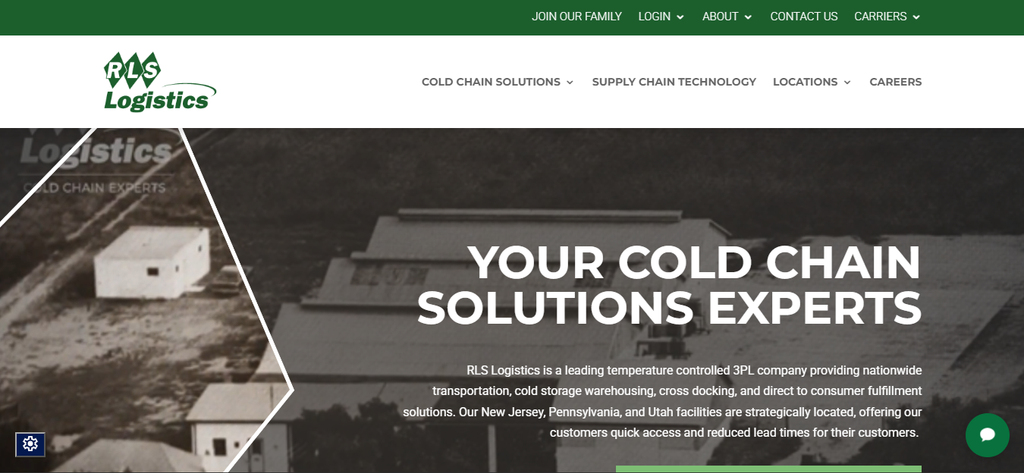
The combination of transportation and refrigerated storage may help businesses coordinate regular pallet shipments. RLS is particularly relevant for food distribution requiring consolidation and cold storage support. However, each route’s pickup frequency, minimum charge, and transit time should be verified.
Best for: Frozen and refrigerated LTL shipping supported by scheduled consolidation and cold storage.
Service model: Cold chain logistics provider with a dedicated refrigerated LTL program.
Comparison of Top Refrigerated LTL Carriers
The main differences between refrigerated LTL providers are their transportation model, service coverage, and freight capabilities. Some companies specialize in shared refrigerated transportation, while others arrange shipments through brokerage networks. The table below helps identify which providers deserve further consideration.
| Company | Refrigerated LTL Status | Service Coverage | Suitable Freight |
| Frozen Food Express | Confirmed asset-based LTL | National US network | Frozen and chilled food |
| Kool Pak | Confirmed refrigerated LTL | Western US and Canada | Frozen and chilled products |
| Midwest Refrigerated Services | Confirmed LTL consolidation | Continental US distribution | Food and palletized freight |
| H&M Bay | Confirmed refrigerated LTL program | Nationwide partner network | Frozen and refrigerated food |
| Great Western Transportation | Arranged refrigerated LTL | US transportation network | Temperature-sensitive freight |
| FST Logistics | Confirmed refrigerated LTL | Much of continental US | Chilled food and beverages |
| Commodity Forwarders | LTL availability requires confirmation | Domestic and international gateways | Specialized perishables |
| Bay and Bay Transportation | Refrigerated LTL availability requires confirmation | Nationwide trucking network | Refrigerated food freight |
| C.H. Robinson | Confirmed brokered temperature-controlled LTL | Broad North American network | Consolidated refrigerated freight |
| RLS Logistics | Confirmed refrigerated LTL program | Nationwide distribution network | Frozen and chilled freight |
For direct refrigerated LTL, FFE and Kool Pak are useful starting points. For food consolidation, compare Midwest Refrigerated Services, H&M Bay, and RLS Logistics. Businesses needing brokered capacity can evaluate Great Western Transportation or C.H. Robinson.
Remember that nationwide coverage doesn’t mean every ZIP code receives daily refrigerated pickup. Certain destinations may require terminal transfers, scheduled consolidation, or partner carriers. Always request confirmation for your exact origin, destination, commodity, and temperature requirement.
How to Choose the Best Refrigerated LTL Carrier
Choose a refrigerated LTL carrier based on service availability, temperature compatibility, delivery reliability, and freight protection. The lowest quote isn’t necessarily the lowest overall shipping cost. Delays, rejected freight, and damaged products can create additional expenses.
Service Areas and Shipping Routes
Check whether a carrier serves both your pickup location and destination. Regional providers may offer scheduled routes between specific states rather than nationwide daily service. For example, a western carrier may handle Oregon-to-California freight but not every eastern shipping lane.
Confirm these details before booking:
- Pickup and delivery ZIP codes.
- Available pickup days and cutoff times.
- Estimated transit time and delivery appointments.
- Refrigerated transfer or consolidation locations.
- Minimum pallet count, weight, and commodity restrictions.
A carrier’s published coverage map is a starting point, not a booking guarantee. Service availability can change with capacity, lane demand, and schedules. Request written confirmation for your shipment before arranging loading.
Temperature Control and Freight Safety
The carrier must support your product’s required transportation temperature. Frozen seafood, chilled dairy, and fresh produce may require different operating conditions. A refrigerated trailer suitable for chilled food isn’t automatically suitable for frozen cargo.
Ask whether the provider offers dual-temperature equipment, temperature monitoring, and refrigerated transfer facilities. Also confirm how the shipment will be handled during loading and unloading. Temperature readings from a trailer’s air sensor do not necessarily prove the product maintained its required internal temperature.
The FDA’s Sanitary Transportation Rule establishes food transportation safety requirements for covered operations. These include suitable equipment, appropriate temperature control, and measures to prevent contamination. Written responsibilities between the shipper and carrier are particularly important.
Delivery Reliability and Shipment Tracking
Choose a provider that clearly communicates shipment status and expected delivery times. Tracking services may include GPS location, delivery notifications, and electronic proof of delivery. However, GPS tracking alone doesn’t confirm the condition of refrigerated freight.
Ask whether the carrier can provide temperature records and exception notifications. Also check how it handles missed appointments, route delays, and equipment problems. For example, delayed frozen freight may require temporary storage at an approved refrigerated warehouse.
Carrier Experience, Insurance, and Customer Support
A carrier should have experience transporting your type of product. Food distributors shipping frozen meat may need different handling from businesses transporting fresh flowers. Ask about similar shipments, claims procedures, and customer support availability.
Check the operating carrier’s safety information through the FMCSA SAFER system. This free resource includes carrier identification, inspection information, and available safety ratings. It doesn’t establish refrigerated freight performance, so additional service verification remains necessary.
Review cargo liability limits and any exclusions involving spoilage or temperature changes. Ask who is responsible if a shipment is damaged during a transfer. Confirm these terms before accepting the transportation quote.
How Much Does Refrigerated LTL Shipping Cost?
Refrigerated LTL shipping costs depend on freight size, distance, temperature requirements, and the selected carrier. There is no single nationwide price per pallet that accurately represents every shipment. Most businesses need a route-specific quote to estimate transportation expenses.
Factors That Affect Refrigerated LTL Rates
Several pricing factors determine the final freight charge. For example, 2 pallets traveling 200 miles may have a different rate structure from 2 pallets traveling 1,000 miles. Availability and required handling can also influence the total.
| Pricing Factor | How It Affects Cost |
| Distance | Longer routes generally increase transportation expenses |
| Pallet count | More pallets occupy additional trailer space |
| Weight and dimensions | Heavier or oversized freight may cost more |
| Temperature requirement | Frozen and chilled services may have different rates |
| Pickup location | Remote or difficult pickup locations may increase charges |
| Delivery requirements | Appointments, liftgates, and special handling may add fees |
| Seasonal capacity | Higher freight demand can affect available rates |
| Storage and transfers | Refrigerated warehousing and handling may involve charges |
Request an itemized quote rather than comparing only the advertised transportation price. Ask whether fuel charges, appointment fees, storage, and other services are included. This makes competing quotations easier to evaluate.
Ways to Reduce Refrigerated Shipping Costs
Freight consolidation can help reduce the cost of smaller refrigerated shipments. Combining compatible orders may lower repeated pickup charges and improve trailer utilization. However, consolidation must not compromise required temperatures or delivery deadlines.
To control shipping costs:
- Request quotes from at least 3 suitable providers.
- Combine compatible orders when practical.
- Use accurate pallet dimensions and shipment weights.
- Arrange pickups before capacity becomes limited.
- Avoid unnecessary expedited delivery.
- Compare refrigerated LTL with dedicated transportation when appropriate.
A lower rate only provides value when the shipment arrives under acceptable conditions. Check whether the carrier’s schedule meets your receiving requirements. Also consider potential storage, delay, and claims costs before choosing the cheapest quote.
Refrigerated LTL vs. FTL: Which Is Better for Your Shipment?
Refrigerated LTL is generally suitable for smaller shipments, while refrigerated FTL provides dedicated trailer space. LTL combines compatible freight from multiple shippers into shared transportation. FTL reserves the truck for one shipment, even when the trailer isn’t completely full.
| Feature | Refrigerated LTL | Refrigerated FTL |
| Trailer space | Shared with compatible freight | Dedicated to one shipment |
| Typical use | Smaller palletized shipments | Larger or specialized shipments |
| Temperature control | Must accommodate compatible freight | Based on the shipper’s requirements |
| Freight handling | May include transfers | Usually fewer transfers |
| Transit time | May include scheduled stops | Often more direct |
| Pricing | Based on shipment and service details | Based on dedicated truck requirements |
| Main advantage | Shared transportation cost | Greater control over the shipment |
For example, a business shipping 3 pallets of chilled cheese may benefit from refrigerated LTL. A distributor moving 24 pallets of frozen food may prefer a dedicated refrigerated truck. Actual trailer capacity depends on pallet dimensions, weight, and loading requirements.
FTL can also be appropriate for a smaller shipment requiring strict handling or minimal transfers. Meanwhile, LTL may be more economical when freight can safely share trailer space. Compare both quotes when delivery timing or temperature requirements make the choice uncertain.
How to Prepare and Book a Refrigerated LTL Shipment
Preparing a refrigerated LTL shipment requires accurate freight information, suitable packaging, and confirmed transportation conditions. Even a one-pallet shipment needs clear instructions before pickup. Incomplete details can lead to rebooking, added charges, or rejected freight.
Follow these 6 steps:
- Identify the freight: Record the commodity, pallet count, dimensions, and total weight.
- Confirm the temperature: Provide the required shipping setpoint and acceptable range.
- Prepare the pallets: Use suitable packaging, secure wrapping, and readable labels.
- Request quotes: Share pickup ZIP code, destination ZIP code, shipping date, and freight details.
- Verify the service: Confirm availability, transit time, temperature handling, and cargo liability terms.
- Prepare documents: Complete the bill of lading and provide necessary handling instructions.
For example, a frozen seafood shipment must be at its required temperature before loading. A refrigerated trailer is primarily designed to maintain temperature, not rapidly freeze warm products. The carrier should also confirm that the equipment is ready for the shipment.
The FDA requires appropriate pre-cooling and temperature controls in covered food transportation operations. Its sanitary transportation guidance explains relevant responsibilities for shippers, loaders, receivers, and carriers. Keep written shipment instructions and temperature records when required.
Before dispatch, check that the carrier has accepted the freight specifications. Confirm the pickup appointment and expected delivery date. Save the quote, booking confirmation, bill of lading, and tracking details.
Common Mistakes to Avoid When Shipping Refrigerated LTL Freight
The most common refrigerated LTL shipping mistakes involve carrier selection, temperature control, packaging, and incomplete shipment information. These errors can increase costs and create avoidable delivery problems. Understanding them helps businesses protect temperature sensitive freight.
- Booking a truckload-only company: Not every refrigerated trucking company accepts LTL freight. Confirm the service before booking.
- Ignoring lane availability: Nationwide operations don’t guarantee service between every pickup and delivery location.
- Providing the wrong temperature: Always use the product’s documented transportation requirements.
- Loading warm products: Bring freight to the proper shipping temperature before pickup.
- Using weak packaging: Secure pallets and cartons for possible handling and transfers.
- Ignoring delivery schedules: Check transit time against product shelf life and receiving appointments.
- Assuming tracking includes temperature monitoring: Confirm whether actual temperature records are available.
- Overlooking liability terms: Review cargo coverage, exclusions, and claims procedures.
- Choosing based only on price: Consider reliability, handling, transit time, and potential additional charges.
If a shipment experiences a significant temperature deviation, document the problem immediately. Record the product condition, available temperature information, and delivery details. For food potentially made unsafe, follow applicable safety procedures before releasing it for sale or distribution.
Frequently Asked Questions
Who Are the Top Refrigerated LTL Carriers in the USA?
Frozen Food Express, Kool Pak, Midwest Refrigerated Services, H&M Bay, and RLS Logistics are established refrigerated LTL options. FST Logistics also advertises refrigerated LTL, while C.H. Robinson provides brokered temperature-controlled LTL. The best choice depends on shipment size, route, temperature, and service availability.
Can I Ship Just One Pallet Using Refrigerated LTL?
Yes, certain refrigerated LTL programs accept shipments starting at one pallet. Midwest Refrigerated Services explicitly advertises this option through its consolidation program. However, minimum charges and shipment acceptance rules vary by provider.
Which Refrigerated LTL Carriers Handle Frozen Food?
FFE, Kool Pak, H&M Bay, Midwest Refrigerated Services, and RLS Logistics advertise frozen freight services. Their temperature settings and operating schedules aren’t identical. Confirm your product’s required temperature and route before booking.
Do Refrigerated LTL Carriers Offer Nationwide Delivery?
Several refrigerated LTL providers offer nationwide distribution through direct operations or partner networks. FFE, H&M Bay, Midwest Refrigerated Services, and RLS Logistics publish broad US service capabilities. However, pickup frequency and delivery availability differ between shipping lanes.
How Long Does Refrigerated LTL Shipping Take?
Transit time depends on distance, scheduled departures, consolidation stops, and delivery requirements. A shipment may pass through refrigerated transfer facilities before reaching its destination. Ask the carrier for a lane-specific transit estimate rather than assuming a fixed delivery time.
Can Frozen and Chilled Products Travel in the Same Refrigerated Truck?
Yes, but only when suitable equipment and proper separation maintain each product’s required temperature. Some carriers use dual-temperature trailers for compatible frozen and chilled shipments. Confirm compartment capabilities and freight acceptance before booking mixed-temperature transportation.
Do Refrigerated LTL Carriers Provide Temperature Tracking?
Some refrigerated LTL carriers provide temperature monitoring, but the available records differ by provider. FFE describes trailer monitoring technology, while other companies offer shipment tracking and logistics visibility tools. Ask whether the provider records trailer air temperature, product temperature, or both.
Final Thoughts: Choosing the Right Refrigerated LTL Carrier
The right refrigerated LTL carrier is one that can safely handle your freight on the required route. Frozen Food Express, Kool Pak, H&M Bay, and other specialized providers offer different transportation capabilities. Brokers and logistics companies can also provide useful alternatives when direct service is unavailable.
Start by checking coverage, temperature compatibility, shipment size, and delivery schedules. Compare quotes from suitable providers and confirm any insurance or handling restrictions. A verified service match is more useful than choosing a company based on fleet size alone.
Before booking, ask the provider to confirm the exact transportation arrangement in writing. This helps reduce misunderstandings about pickup dates, freight handling, and temperature requirements. It also gives you a clearer basis for selecting the right refrigerated LTL shipping partner.